What to Look for in a Hydrostatic Pressure Testing Company
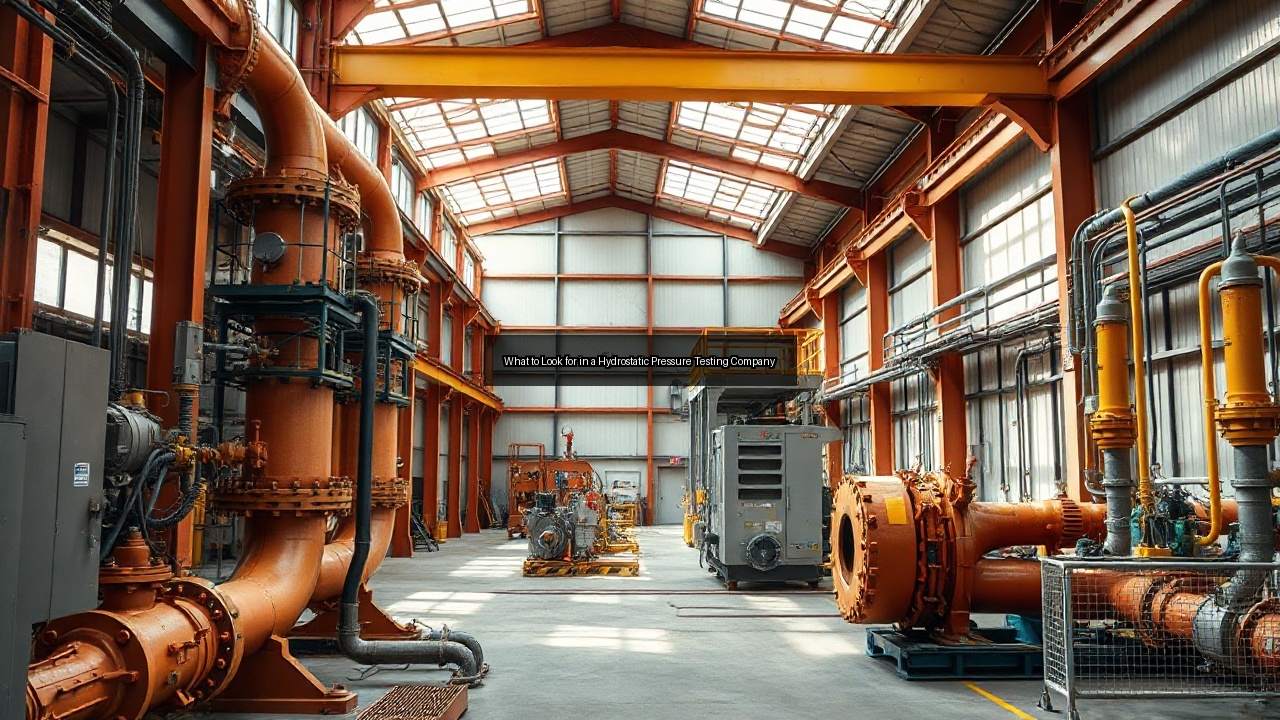
Understanding Hydrostatic Pressure Testing
What is Hydrostatic Pressure Testing?
Hydrostatic pressure testing involves using a liquid—commonly water—to test the integrity and strength of pipelines, tanks, and other structures. This process applies pressure to the system and monitors for leaks or weaknesses that may compromise safety. The testing mimics the conditions the infrastructure will face in real-world operations, allowing for comprehensive evaluations. By filling the structure with liquid, technicians can detect even the smallest leaks, as any failure points will manifest as drops in pressure. This method proves invaluable in ensuring that systems can withstand the demands of companies doing hydrostatic pressure tests their operational environments, thus protecting both assets and personnel.
Importance in the Oil and Gas Industry
In the oil and gas industry, hydrostatic pressure testing plays a crucial role in maintaining operational safety and efficiency. Pipelines transporting oil, gas, and other hazardous materials must adhere to stringent safety standards. Hydrostatic testing verifies that the integrity of these pipelines meets regulatory requirements and can withstand the pressures associated with transporting volatile substances. Regular testing helps prevent catastrophic failures that could lead to environmental disasters, costly repairs, and potential loss of life. By confirming the reliability of pipelines, companies can operate with greater confidence, ensuring compliance with industry regulations while protecting ecosystems and communities.
Applications in Construction and Aerospace
Hydrostatic pressure testing extends beyond the oil and gas industry into construction and aerospace applications. In construction, it ensures that water pipelines, HVAC systems, and storage tanks are leak-free and structurally sound. Testing confirms that the infrastructures can handle the pressures of operational use, thus safeguarding the investments made in construction projects. Similarly, in the aerospace sector, hydro testing verifies the integrity of fuel lines and hydraulic systems, which must operate flawlessly under high-pressure conditions. Both industries rely on hydrostatic testing companies to deliver precise and reliable testing services, ensuring safety and compliance across various applications.
Key Factors to Evaluate in Hydrostatic Testing Companies
Experience and Expertise in Hydro Testing
When selecting a hydrostatic testing company, experience and expertise stand out as critical factors. Companies with a robust background in hydro testing not only understand the technical requirements but also navigate the complexities of various industries. Look for firms that boast hydrostatic pressure testing companies extensive portfolios and a track record of successful projects in sectors like oil, gas, construction, and aerospace. An experienced company will have refined methodologies and best practices that enhance testing accuracy and reliability. Additionally, seasoned professionals can identify potential issues and recommend solutions, resulting in more efficient project execution and reduced downtime.
Safety Standards and Compliance
Safety remains paramount in hydrostatic pressure testing. Evaluating a testing company’s adherence to hydrostatic pressure test company safety standards and compliance with regulations is essential. The best companies implement rigorous safety protocols and maintain certifications from hydrostatic pressure test company recognized industry bodies. They should also provide training for their personnel to ensure that all team members are equipped to handle the pressures involved in hydro testing. Compliance with local, state, and federal regulations protects not only the company but also the surrounding environment and community. A strong safety record reassures clients of the reliability and professionalism of the hydrostatic testing firm.
Range of Services Offered
Different projects may require varying testing approaches and methodologies. An ideal hydrostatic testing company offers a comprehensive range of services that extend beyond basic pressure testing. Look for firms that provide pneumatic testing, mechanical testing, and validation services to meet diverse project needs. Companies that specialize in chemical management and testing fluids, including gases and liquids, demonstrate versatility and depth of knowledge. A broader service offering means that clients can find solutions for multiple aspects of their projects under one roof, streamlining processes and improving efficiency.
Technological Capabilities and Equipment
Advanced technology and equipment play a vital role in the effectiveness of hydrostatic pressure testing. The best companies invest in cutting-edge tools that enhance accuracy and efficiency during testing procedures. Look for firms equipped with high-quality pressure gauges, data logging systems, and leak detection technologies. These tools allow for precise monitoring and reporting, ensuring that all tests meet the required standards. Companies that stay updated with the latest advancements in testing technology can provide clients with innovative solutions that enhance project outcomes. A commitment to leveraging technology indicates a forward-thinking approach that adds value to client relationships.
Industry-Specific Considerations for Hydrostatic Testing
Requirements for Oil and Gas Pipelines
Hydrostatic testing for oil and gas pipelines comes with specific requirements due to the high stakes involved. Companies must adhere to stringent regulations set by agencies such as the Pipeline and Hazardous Materials Safety Administration (PHMSA) to ensure compliance and safety. The testing process typically involves filling the pipeline with water or another liquid and pressurizing it to levels that exceed normal operating conditions. This practice simulates real-world scenarios, allowing for the identification of weaknesses or potential failure points. Regular testing of pipelines helps to mitigate risks associated with leaks or ruptures, thus protecting the environment and ensuring the safe transport of products.
Hydrostatic Testing in Chemical Management
In chemical management, hydrostatic testing serves as an essential quality control measure. Facilities that handle hazardous chemicals require thorough testing of storage tanks and pipelines to prevent leaks that could lead to dangerous spills. Testing ensures that containers can withstand the pressures associated with the substances they hold, safeguarding both the environment and public health. Companies engaged in chemical management often seek hydrostatic testing experts who understand the unique challenges of their operations, including the types of chemicals involved and the specific testing protocols required. This specialized knowledge ensures that testing is not only thorough but also tailored to industry standards.
Testing Fluids: Liquids vs. Gases
The choice of testing fluid significantly impacts the hydrostatic testing process. While water is the most common choice, some applications require the use of gases, such as nitrogen, to conduct pneumatic testing. Each fluid type has its advantages and disadvantages. Liquid testing provides a clear indication of leaks through pressure drops, while gas testing can be advantageous in environments where water cannot be used. Understanding the properties and behaviors of different fluids is essential for making informed decisions about testing methods. Hydrostatic testing companies should have expertise in selecting the appropriate fluids for each project’s specific needs, ensuring accurate and efficient results.
Choosing the Right Hydrostatic Testing Partner
Evaluating Company Reputation and Reviews
Reputation plays a critical role when choosing a hydrostatic testing company. Prospective clients should research and evaluate the company’s standing within the industry. Online reviews, testimonials, and case studies provide insights into the experiences of past clients. A strong reputation often indicates a commitment to quality, safety, and customer satisfaction. Additionally, consider reaching out to industry colleagues or associations for recommendations. Engaging with a reputable hydrostatic testing firm increases the likelihood of successful project outcomes and fosters a collaborative working relationship.
Cost Considerations and Budgeting
Cost is always a consideration when selecting a hydrostatic testing company. Companies must balance quality and budgetary constraints to ensure they receive the best value for their investment. Request detailed quotes from multiple firms, ensuring that they outline all aspects of the testing process, including equipment, labor, and any additional fees. Be wary of prices that seem unusually low, as they may indicate compromised service quality. A well-defined budget allows clients to make informed decisions while still prioritizing safety and reliability in their hydrostatic testing processes.
Post-Testing Validation and Reporting
Post-testing validation and reporting are essential components of the hydrostatic testing process. After testing, companies should provide comprehensive reports detailing the findings, including any identified issues and recommendations for repairs or maintenance. These documents serve as critical records for compliance and future reference. A reputable hydrostatic testing company will offer clear, detailed reports that facilitate understanding and decision-making. Proper validation ensures that clients can confidently move forward with their projects, knowing they have met safety standards and regulatory requirements.
See Also
- The Connection Between Hydrostatic Testing and Welding Quality Control
- Why Hydrostatic Testing is Essential for Gas and Chemical Pipelines
- How to Find Reliable Hydrostatic Testing Experts for Your Needs
- The Advantages of Using Nitrogen in Hydrostatic Pressure Testing
- A Deep Dive into the Methods Used by Hydro Testing Experts